LASIK is a well-known vision correction surgery. When a person is considering it, a common question that crosses their mind will be: Does LASIK eye surgery hurt?
The good news is that you typically will not feel pain during the procedure. Your surgeon uses numbing eye drops to anesthetize the surface of your eyes before treatment begins.
You may still notice some pressure or a strange sensation during certain parts of the procedure, but sharp pain is not expected.
The discomfort starts after the numbing drops wear off. Mild burning, stinging, watery eyes, or a gritty feeling can occur during the first few hours after LASIK.
These symptoms usually ease as your eyes begin to heal. However, severe or worsening pain does not align with the usual recovery pattern and should be evaluated promptly by your eye doctor.
This blog explores how the numbing drops help keep you comfortable during treatment, what safety steps your surgeon takes, and what you can do at home while your eyes heal.
It will also cover the symptoms that are part of normal recovery and the warning signs that mean you should contact your eye doctor right away.
Does LASIK Eye Surgery Hurt During the Procedure?
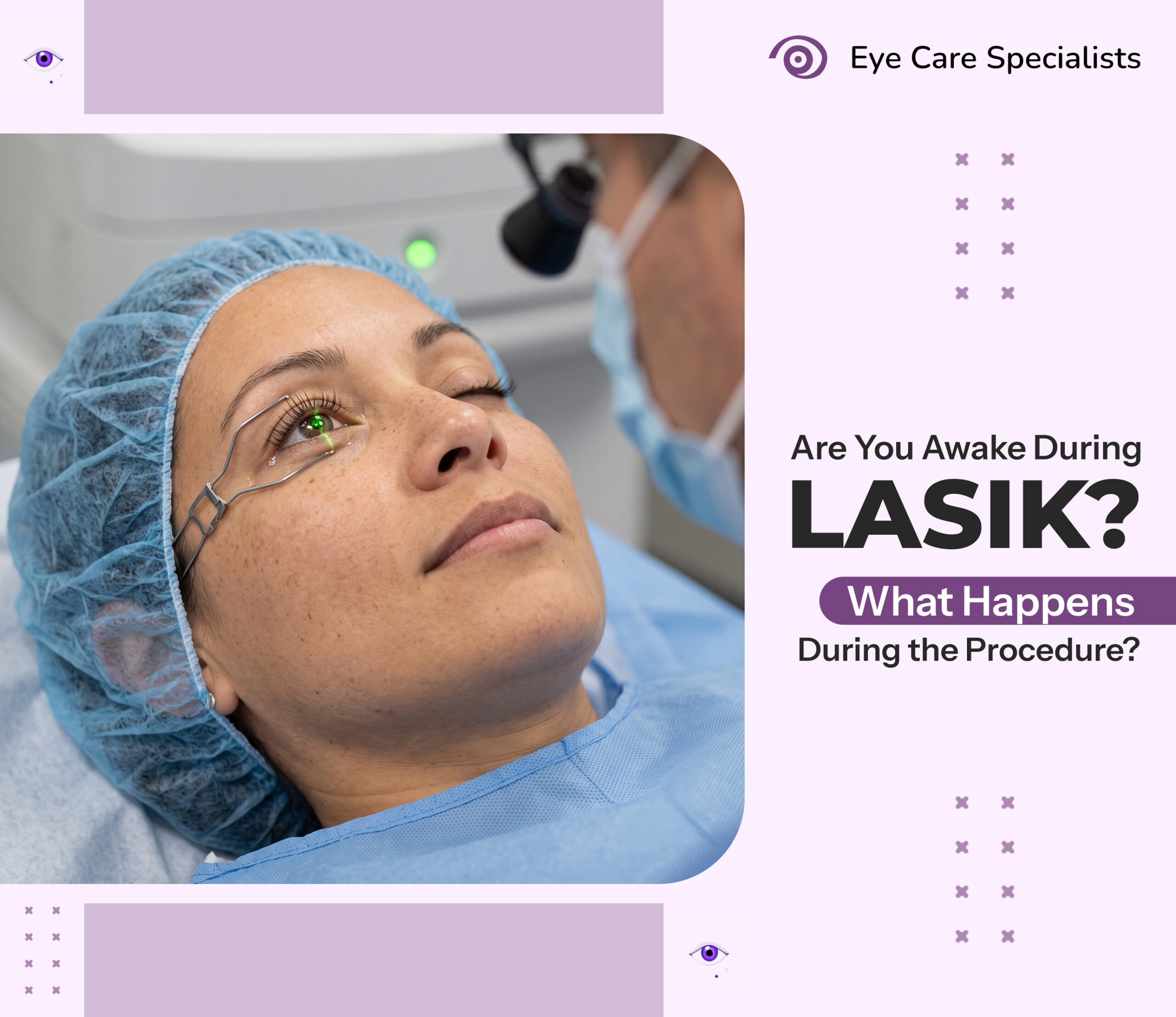
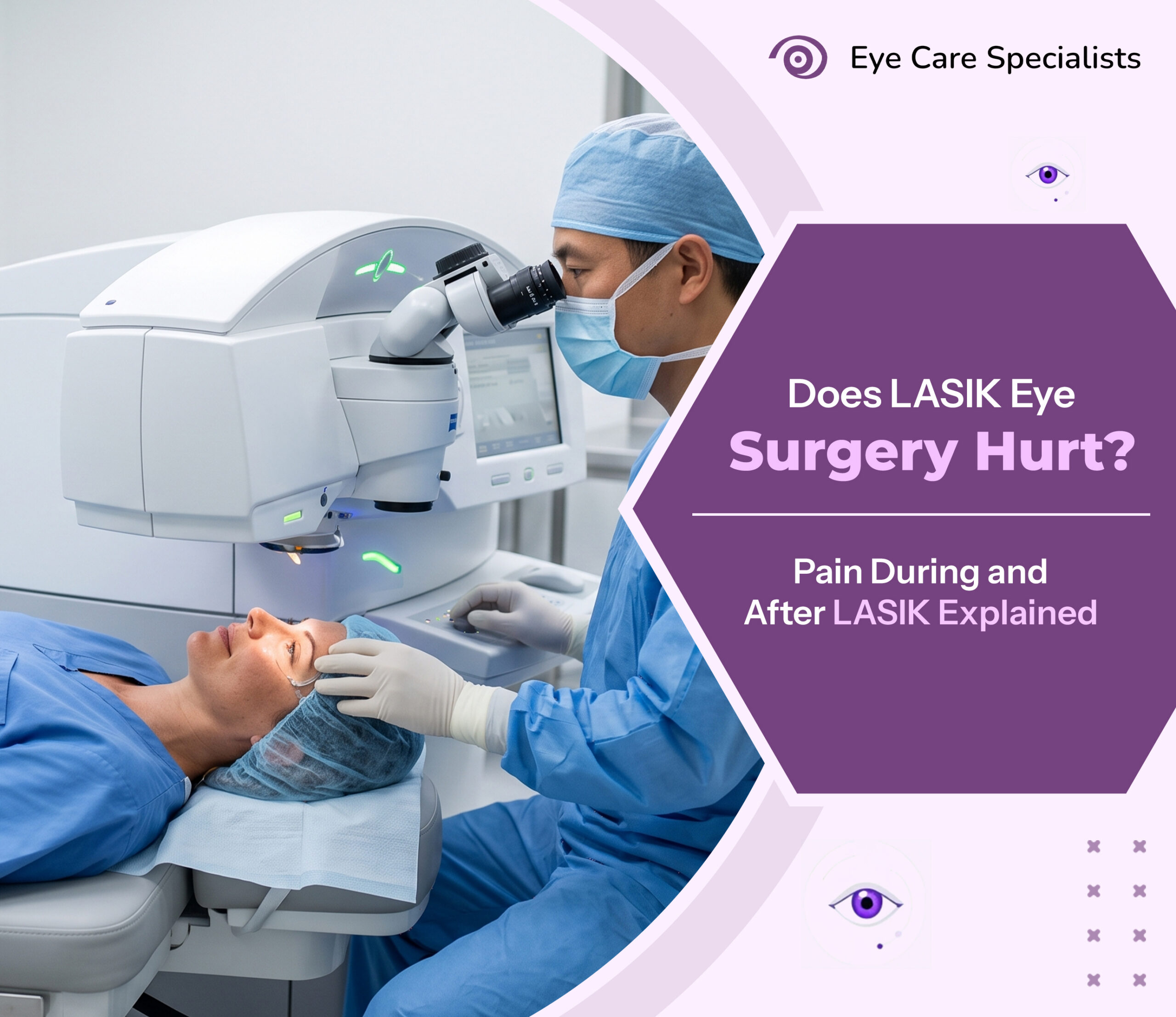
No, LASIK is not usually painful during the procedure. Before treatment starts, your surgeon places numbing eye drops in your eyes.
These drops numb the eye’s surface, so you should not feel sharp pain during the procedure.
You may feel some pressure when the surgeon places the suction ring on your eye. Patients often describe it as a firm or gentle pressing sensation rather than pain. The feeling usually lasts less than a minute for each eye.
You may also notice bright lights, hear clicking sounds, or feel some awareness of what is happening around you. These sensations can feel unusual, but they are generally brief and expected during LASIK.
How Do Numbing Eye Drops Prevent Pain During LASIK?
Before laser eye surgery begins, your surgeon places anesthetic eye drops in your eyes. The drops numb the corneal surface, so you should not feel sharp pain during the procedure.
You may notice some pressure or other unusual sensations, but these are usually brief and manageable.
Here’s how the numbing drops help keep you comfortable:
- Numbing the cornea: The drops reduce the eye’s ability to sense pain during the procedure.
- Making certain steps more comfortable: You may feel a brief pressure sensation when the surgeon uses instruments to keep the eye steady. This should feel like pressure rather than pain.
- Supporting a smooth procedure: You remain conscious throughout LASIK, but the numbing effect helps you tolerate the procedure without sharp sensations.
What Pressure, Lights, Sounds, and Sensations Might You Feel During LASIK?
LASIK should not be painful, but you may notice a few unusual sensations during the procedure. Most of them are short-lived and come with the experience of having your eyes treated.
- Pressure: You may feel some firm pressure when the suction ring holds your eye in place. Your vision may also go dim for a few moments.
- Your eyelid being held open: A lid speculum, sometimes called an eyelid holder, keeps you from blinking during treatment. You may notice it around your eyelids, but it should not be painful.
- Bright lights: You will see bright lights during LASIK. At times, they may look blurry, hazy, or harder to focus on. This is expected during the procedure.
- Clicking sounds: The laser makes a series of quick clicks as it operates. You may hear them clearly, but they last only a short time.
- A faint smell: You may notice a brief, unusual smell while the laser interacts with the corneal tissue. It can seem a little unexpected, but it goes away quickly.
- A feeling of awareness: You may notice some movement around your eye, but the numbing drops prevent sharp pain.
What Does LASIK Feel Like After Surgery, and How Long Does the Discomfort Last?
After LASIK, your eyes may feel gritty, itchy, watery, or irritated, with some burning, mild discomfort, and light sensitivity.
These symptoms usually improve considerably within the first few days, although dryness and other temporary visual effects can last longer as your eyes heal.
What Is Normal During the First Few Hours After LASIK?
The first few hours after LASIK are when you are most likely to notice temporary discomfort as the numbing drops wear off. Your vision may also remain hazy or blurry during this early period.
Common sensations include:
- Burning or stinging: Your eyes may feel irritated or mildly uncomfortable as sensation returns.
- Grittiness: You may feel as though something is in your eye. This sensation can occur during the normal healing process.
- Watery eyes: Increased tearing is common immediately after surgery and usually settles as your eyes recover.
- Light sensitivity: Bright lights may feel uncomfortable, so resting in a dim environment can make the first few hours easier.
- Hazy vision and redness: Your vision may remain blurry, and the whites of your eyes can look red or bloodshot temporarily.
How Much Better Should Your Eyes Feel the Next Day and During the First Week?
For most people, the eyes feel noticeably more comfortable the day after LASIK. The burning, watering, and gritty sensation usually ease, although mild dryness, light sensitivity, or hazy vision may remain for a few days.
- The next day: Once the topical anesthetic has worn off, discomfort should generally be much milder. Your vision often improves quickly, but it may not be clear yet.
- During the first week: As the corneal flap heals, dryness, mild irritation, or fluctuating vision may persist. These symptoms should gradually improve rather than become worse.
- Follow-up visit: Your eye doctor typically checks your eyes within 1-2 days to make sure the corneal flap and healing are progressing normally.
Why Can Dry Eyes Cause Irritation Even After the Initial LASIK Discomfort Is Gone?
Even after the early burning or stinging fades, dry eyes can persist as your eyes recover from LASIK. The procedure can temporarily reduce tear production, leaving the eye surface less lubricated than usual.
- Less lubrication: When tears do not adequately cover the eye, the surface can feel dry, scratchy, or gritty.
- Tear-film instability: An uneven tear layer can cause burning, irritation, and even fluctuating or blurry vision.
- Temporary nerve changes: LASIK can temporarily affect corneal nerves involved in tear production, potentially contributing to dryness during healing.
- Irritation triggers more tearing: Dryness can make your eyes feel as if something is stuck in them, causing reflex watering even though the eyes remain dry.
How Can You Make Recovery After LASIK More Comfortable?
A few simple precautions can make the first few days after LASIK easier and support proper healing. Follow your surgeon’s instructions closely, use your prescribed eye drops as directed, protect your eyes, and give them time to rest.
Which Eye Drops, Rest, and Protective Measures Can Help With LASIK Discomfort?
Good aftercare can make the first few days easier and help protect the healing corneal flap. Your surgeon will tell you which drops to use and when, so follow that plan rather than choosing products on your own.
- Prescription eye drops: Your surgeon may prescribe antibiotic or anti-inflammatory drops after LASIK. Use them on the provided schedule, even if your eyes start to feel better.
- Artificial tears: Lubricating drops can ease dryness, grittiness, and irritation. Ask your eye doctor which type is right for you, especially if you need them frequently.
- Give your eyes a break: Rest as much as you can immediately after surgery. Keeping your eyes closed for a while can make the early hours more comfortable.
- Use the protective eye shield: Wear it as instructed, especially while sleeping. It helps prevent accidental rubbing or pressure on the eye while the corneal flap heals.
- Keep your hands away from your eyes: Even if your eyes feel itchy or gritty, resist the urge to rub them. Rubbing can disturb the healing flap and may require further treatment.
- Wear sunglasses outdoors: Bright light may feel uncomfortable during the early recovery period. Sunglasses can make it easier to manage light sensitivity while your eyes settle.
What Should You Avoid Doing When Your Eyes Feel Irritated After LASIK?
When your eyes feel uncomfortable, rubbing them may seem like the quickest way to get relief. Resist that urge.
During the first part of recovery, a little extra care can help protect your eyes while they heal. Here are the things that you should avoid:
- Don’t rub your eyes: Itching or grittiness can be frustrating, but rubbing may put pressure on the healing corneal flap and affect recovery.
- Give eye makeup a break: Mascara, eyeliner, and other cosmetics can irritate your eyes or introduce germs. Wait until your surgeon gives you the go-ahead to use them again.
- Stay out of pools and hot tubs: Water can carry bacteria and other substances that may irritate your healing eyes. Your surgeon can tell you when it is safe to swim again.
- Avoid strenuous or contact sports: Take a break from activities that involve heavy exertion or could result in a blow to the eye until your doctor clears you.
- Skip eye drops your doctor hasn’t recommended: Not every eye drop is suitable after LASIK. Stick to the medications and lubricating drops recommended by your eye care team.
When Is Pain After LASIK Not Normal?
Severe, persistent, or worsening pain is not typical after LASIK, especially if it occurs with worsening vision or other symptoms.
Contact your eye doctor promptly rather than waiting for your next scheduled follow-up.
Which Symptoms Mean You Should Contact Your LASIK Surgeon Immediately?
Most early LASIK symptoms gradually settle as your eyes heal. Call your surgeon promptly if symptoms become severe, suddenly worsen, or start improving and then take a turn for the worse.
- Severe or worsening pain: Mild discomfort may occur, but significant or persistent pain requires prompt attention.
- Worsening vision: Contact your surgeon if your vision becomes noticeably worse instead of clearer.
- Sudden increase in light sensitivity: A sharp or unusual change in sensitivity should be checked.
- Increasing redness or swelling: These changes can signal inflammation or another problem that needs evaluation.
- Symptoms that suddenly change: New or worsening visual disturbances, such as significant glare, halos, or double vision, should not be ignored.
What LASIK Complications Can Sometimes Cause Unusual or Persistent Pain?
Most LASIK patients experience only mild, short-lived discomfort. If pain continues or feels unusually strong, your surgeon should check your eyes.
The following are the LASIK complications that may cause unusual or persistent pain:
Corneal Flap Issues
If the flap moves out of position or develops small folds, you may notice irritation, sensitivity to light, or changes in how clearly you see. Your surgeon can examine the flap and decide whether it needs treatment.
Eye Infection
An infection can cause increasing pain, redness, swelling, or a noticeable change in vision. Because it can affect healing, seek medical attention as soon as possible if these symptoms develop.
Inflammation Under the Flap
Inflammation in the treated area may cause discomfort and blurred or hazy vision. Your eye doctor can identify the cause and recommend the appropriate treatment.
Significant Dry Eye
Temporary dryness often occurs after LASIK, but persistent dryness can leave your eyes burning, scratchy, or uncomfortable. If lubricating drops do not provide enough relief, let your surgeon know.
Get the Right Guidance for Your LASIK Recovery with Eye Care Specialists
Does LASIK eye surgery hurt? The short answer is, it doesn’t. The eye surgeon will put numbing eye drops and reshape the cornea.
During that process, you may feel pressure as the lid speculum holds your eyelid, but it won’t cause any sharp pain. Once the numbing effect of the eye drops wears off, you may experience temporary discomfort that can be relieved with prescription eye drops and protective glasses.
However, if your eyes still hurt, you must talk to your eye surgeon.
At Eye Care Specialists, we help patients understand different eye treatment options to improve their vision.
Our vision correction procedures are designed to help eligible patients reduce their dependence on glasses or contact lenses.
Meet our doctors to understand your conditions and treatment choices.
FAQs
1. Can I Be Put to Sleep for LASIK If I Am Nervous About Pain?
No, LASIK does not usually involve putting you completely to sleep during the procedure. Numbing eye drops prevent significant pain, while you remain awake and follow your surgeon’s instructions. If you feel anxious, mention it before surgery so your eye care team can help you feel more relaxed.
2. Does the Eyelid Holder Hurt During LASIK?
No, the eyelid holder should not cause sharp pain during LASIK. You may feel some pressure or mild stretching as it keeps your eyelids open. Numbing eye drops reduce sensation, making the device easier to tolerate during the procedure.
3. What Happens If I Blink, Sneeze, or Move During LASIK?
When you blink during LASIK, the lid speculum keeps your eyelids open. Moreover, the laser system also monitors eye position and can stop treatment if your eye moves. If you need to sneeze or move, tell your surgeon before continuing.
4. Is It Normal for One Eye to Feel More Irritated Than the Other After LASIK?
Yes, one eye can feel more irritated than the other during early LASIK recovery. Your eyes may heal at slightly different rates, causing differences in dryness, grittiness, or sensitivity. Call your surgeon if one eye develops severe pain, worsening vision, or increasingly uncomfortable symptoms.
5. Does LASIK Hurt More Than PRK or SMILE Eye Surgery?
Usually, LASIK causes less discomfort during recovery than PRK (photorefractive keratectomy). It requires the corneal surface layer to heal, which can make the first few days more uncomfortable. SMILE (small incision lenticule extraction) generally causes little discomfort, although your experience depends on your eyes and healing response.
6. Can LASIK Cause Headaches After the Procedure?
Yes, headaches can occur temporarily after LASIK, although they are not usually a direct complication. Your eyes may need time to adjust to their new vision, while dryness or light sensitivity can add strain. Contact your surgeon if headaches are severe, persistent, or accompanied by worsening eye symptoms.
7. Does a Stronger Vision Prescription Make LASIK More Painful?
No, having a stronger prescription does not automatically make LASIK more painful. Numbing drops help prevent significant pain during treatment, regardless of your prescription strength. Your recovery depends on factors such as eye health, dryness, corneal characteristics, and how your eyes heal.
8. Can Seasonal Allergies Make LASIK Recovery Feel More Uncomfortable?
Yes, seasonal allergies can make your eyes feel itchier and more irritated during LASIK recovery. Allergy symptoms may also make you want to rub your eyes, which you should avoid while healing. Let your surgeon know about your allergies before surgery so they can recommend suitable care.
9. Why Do Some Patients Report More LASIK Discomfort Than Others?
People experience LASIK recovery differently because their eyes do not all respond to surgery in the same way. Dryness, tear production, eye sensitivity, allergies, and individual healing can affect how comfortable recovery feels. Your surgeon can discuss factors that may influence your recovery before treatment.
10. Can Anxiety Make LASIK Feel More Uncomfortable Even When the Eye Is Numb?
Yes, anxiety can make normal sensations during LASIK feel more intense or unsettling. You may become more aware of pressure, bright lights, or movement around your eyes when you feel nervous. Tell your surgeon about your concerns beforehand so they can explain what you can expect to experience.